ZMZalmai Motors
Project Sprinter
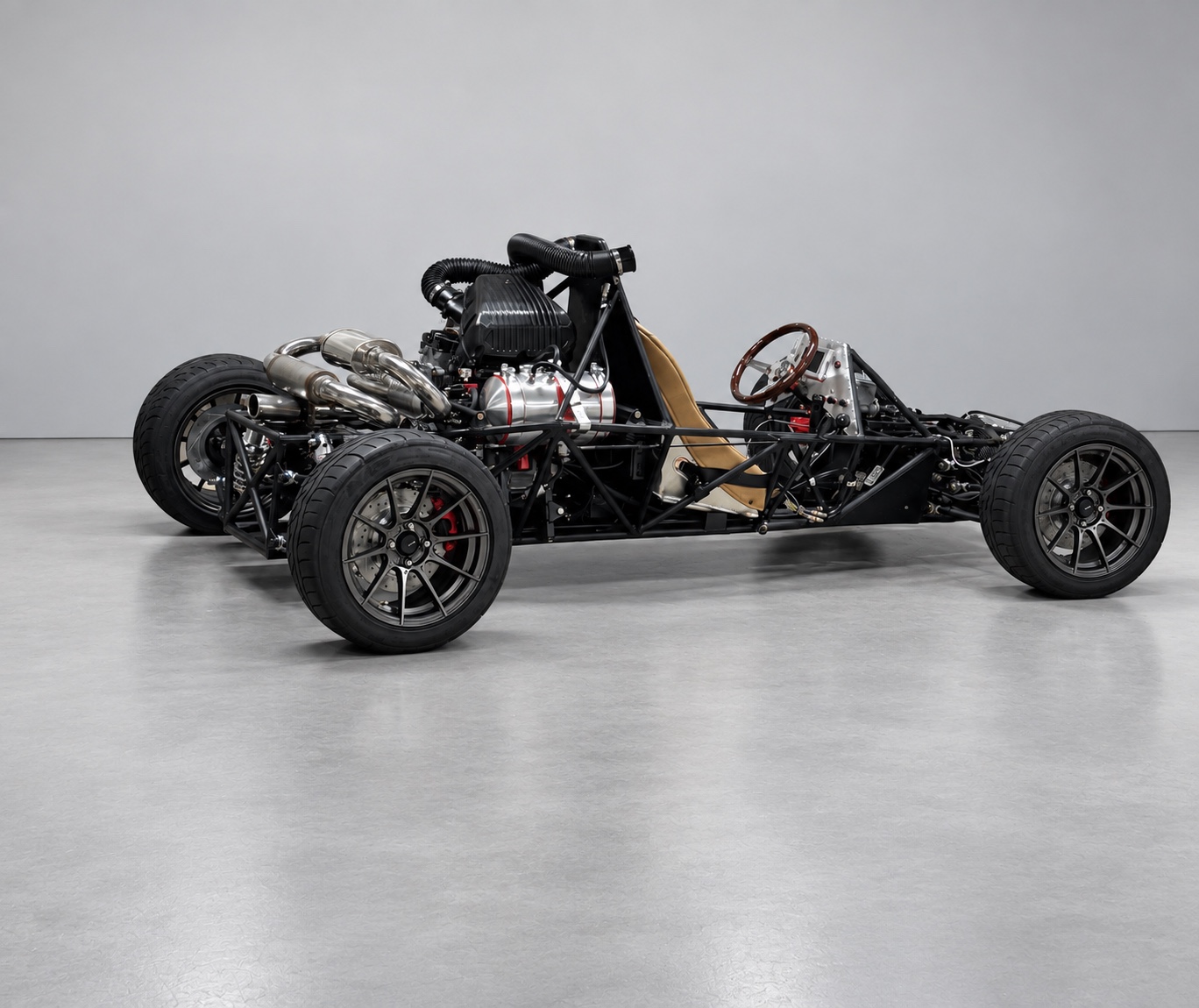
Project Sprinter side profile in the studio
Zalmai Motors presents

Light weightand compact

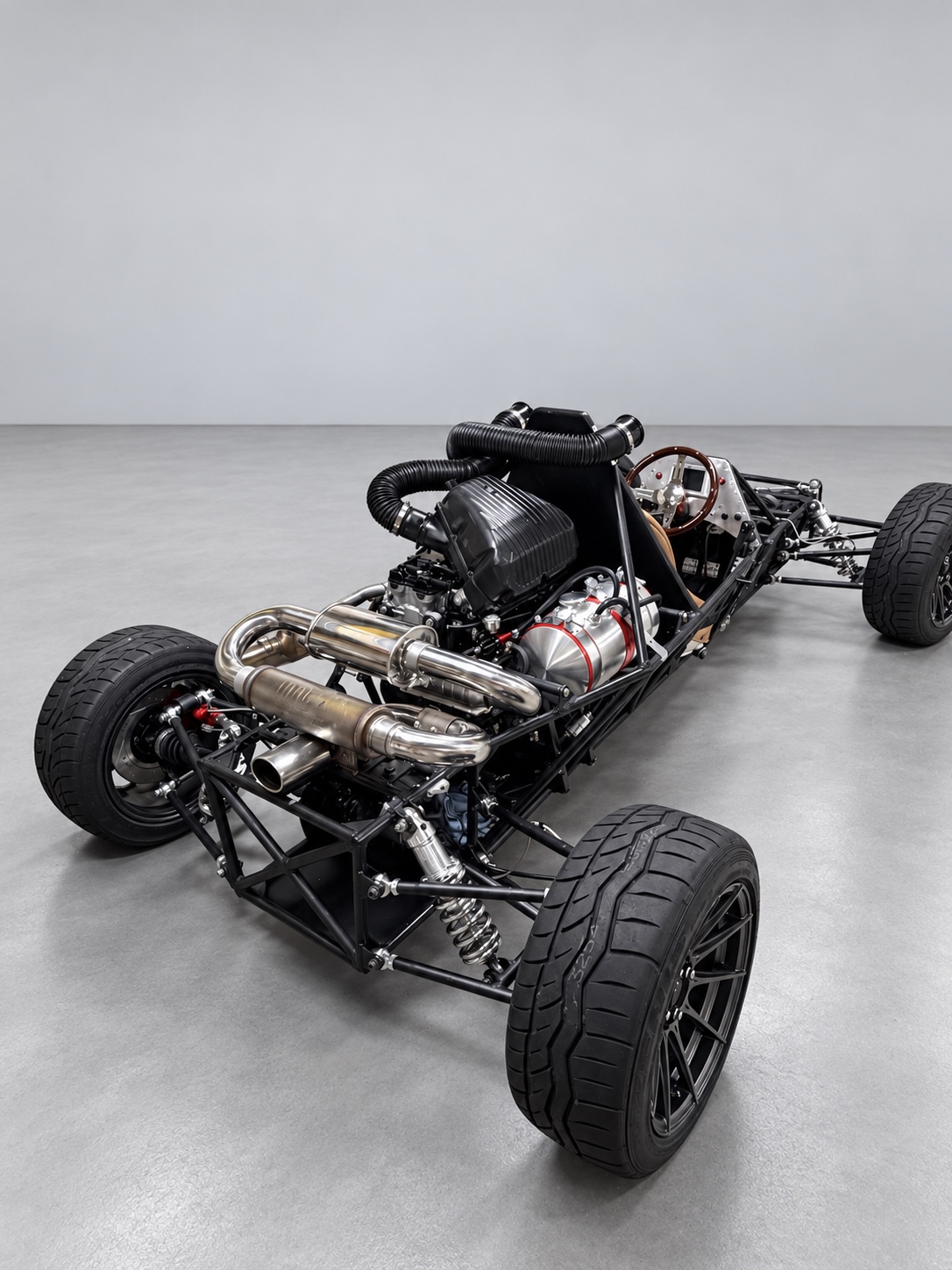
A hand-built, single-seat sports car with a central driving position, mid-mounted Hayabusa engine and rear-wheel drive.

Discover Project Sprinter
01 / Identity

Single-seat. Central driving position.

Project Sprinter is an ultralight sports car built around a central seat, a mid-mounted Hayabusa engine and rear-wheel drive. Low mass, compact dimensions and direct steering define its character.
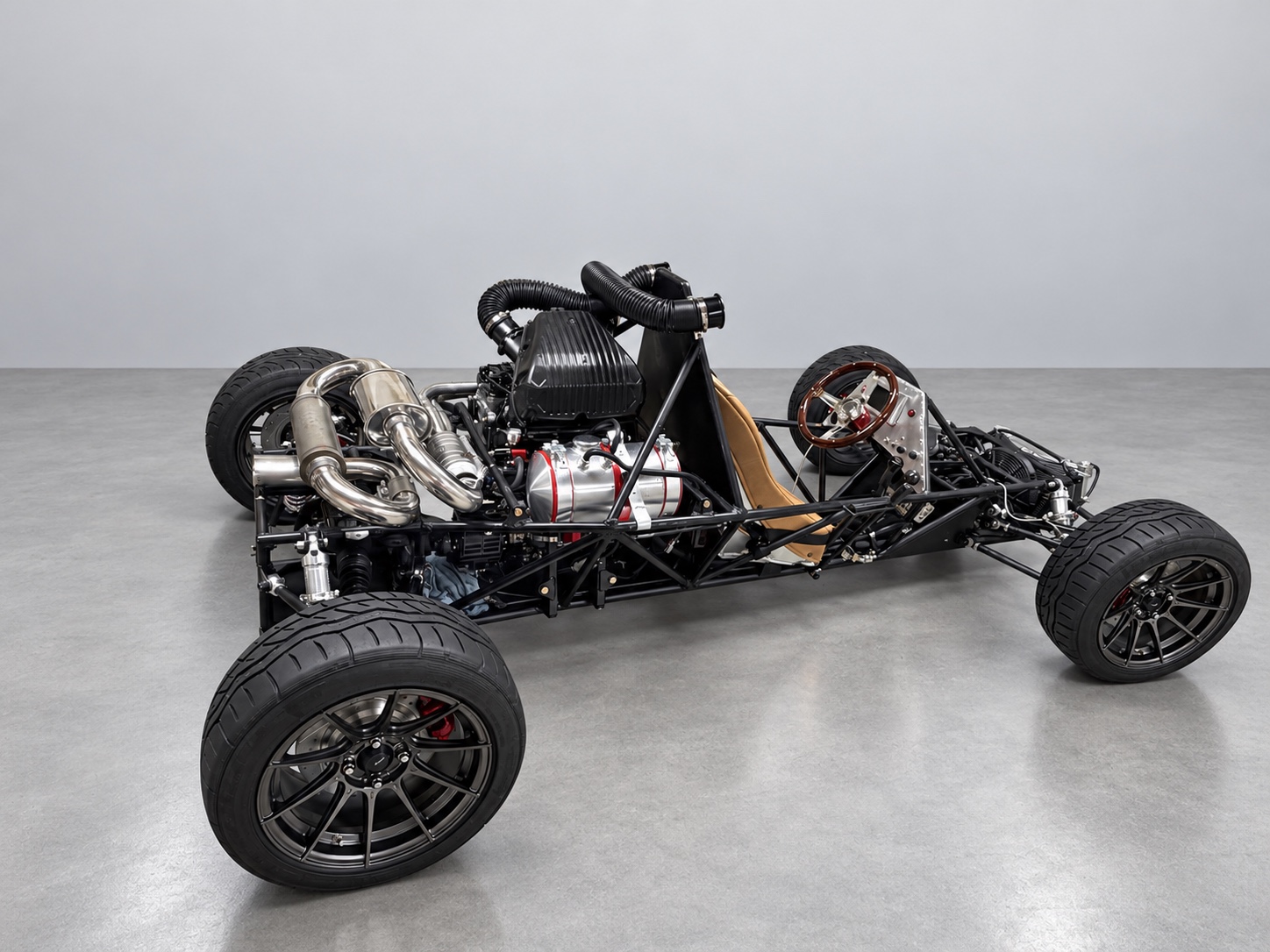
Project Sprinter viewed from the rear three-quarter angle02
Form follows architecture

Compact proportions. Purposeful packaging.

The narrow cockpit shapes the car around its central driving position, with the engine and driveline directly behind it. Keeping the major components between the axles reduces overhang and concentrates mass near the center of the car.

01Narrow central cockpit
02Mass concentrated between the axles
03Compact mid-engine layout
Project Sprinter rolling chassis in the studio
03 / The architecture

A triangulated steel spaceframe.

Front and rear bulkheads are tied together through the center structure, creating rigid mounting points for the suspension and powertrain.

Four-wheel control

Double wishbones at every corner.

Separate upper and lower control arms manage camber and wheel movement, helping each tire maintain contact through corners and over uneven pavement.

Driveline packaging

A compact rear powertrain.

The engine, Quaife reversing gearbox and differential fit behind the seat and within the wheelbase, eliminating the need for a long driveshaft.
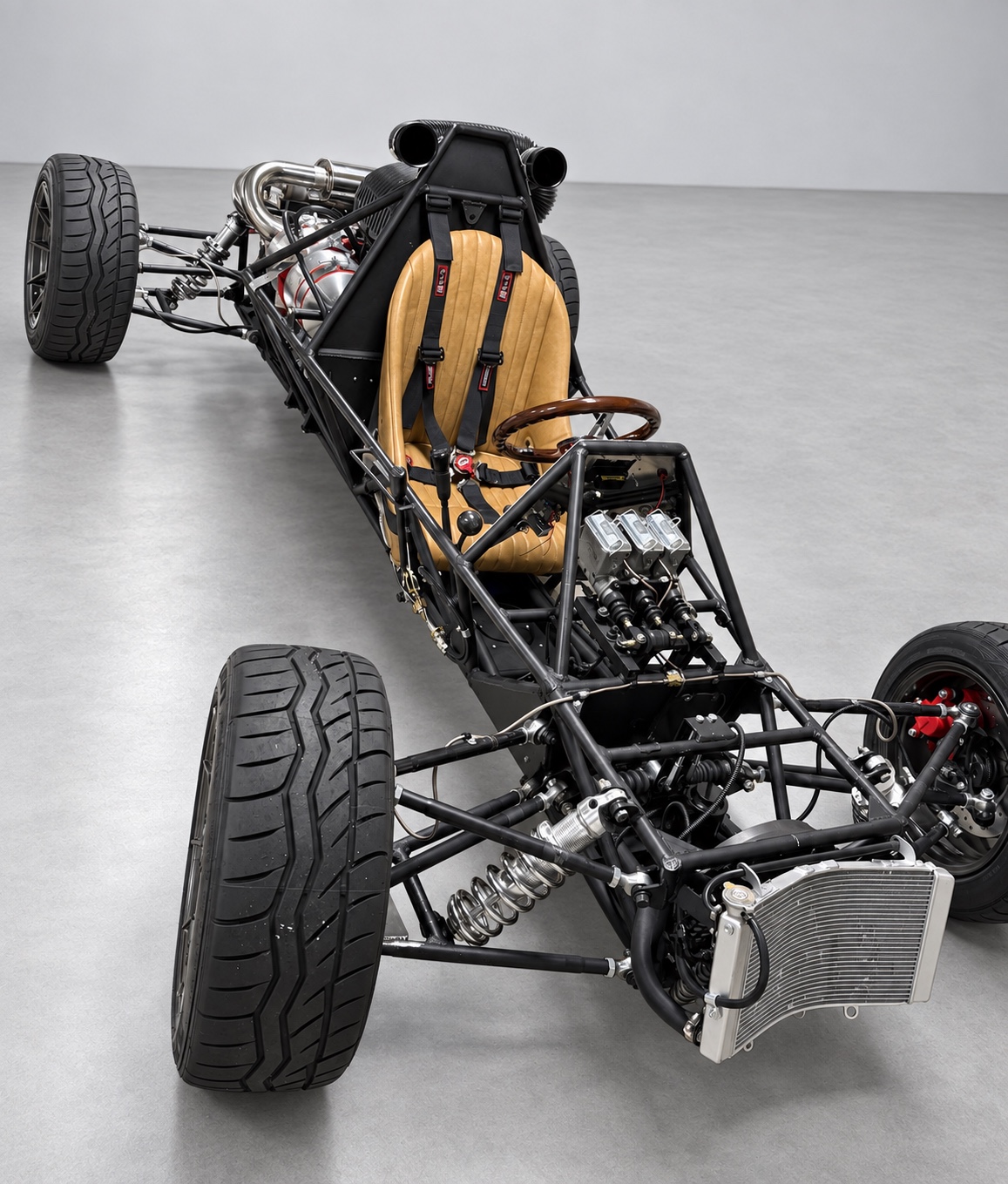
Project Sprinter cockpit viewed along the centerline
04 / The cockpit

The driver sits on the centerline.

The steering wheel, pedals and sequential shifter are arranged around one focused driving position. Placing the seat in the middle also keeps the driver’s weight centered in the chassis.

Central seatingThe driver’s mass remains on the chassis centerline.
Focused controlsSteering, pedals and shifter are positioned within easy reach.
05 / Power without bulk

High-revving power without excess mass.

The third-generation Hayabusa is a compact, naturally aspirated 1.34-liter four-cylinder mounted behind the driver. It provides strong power and immediate throttle response without the weight of a much larger engine.
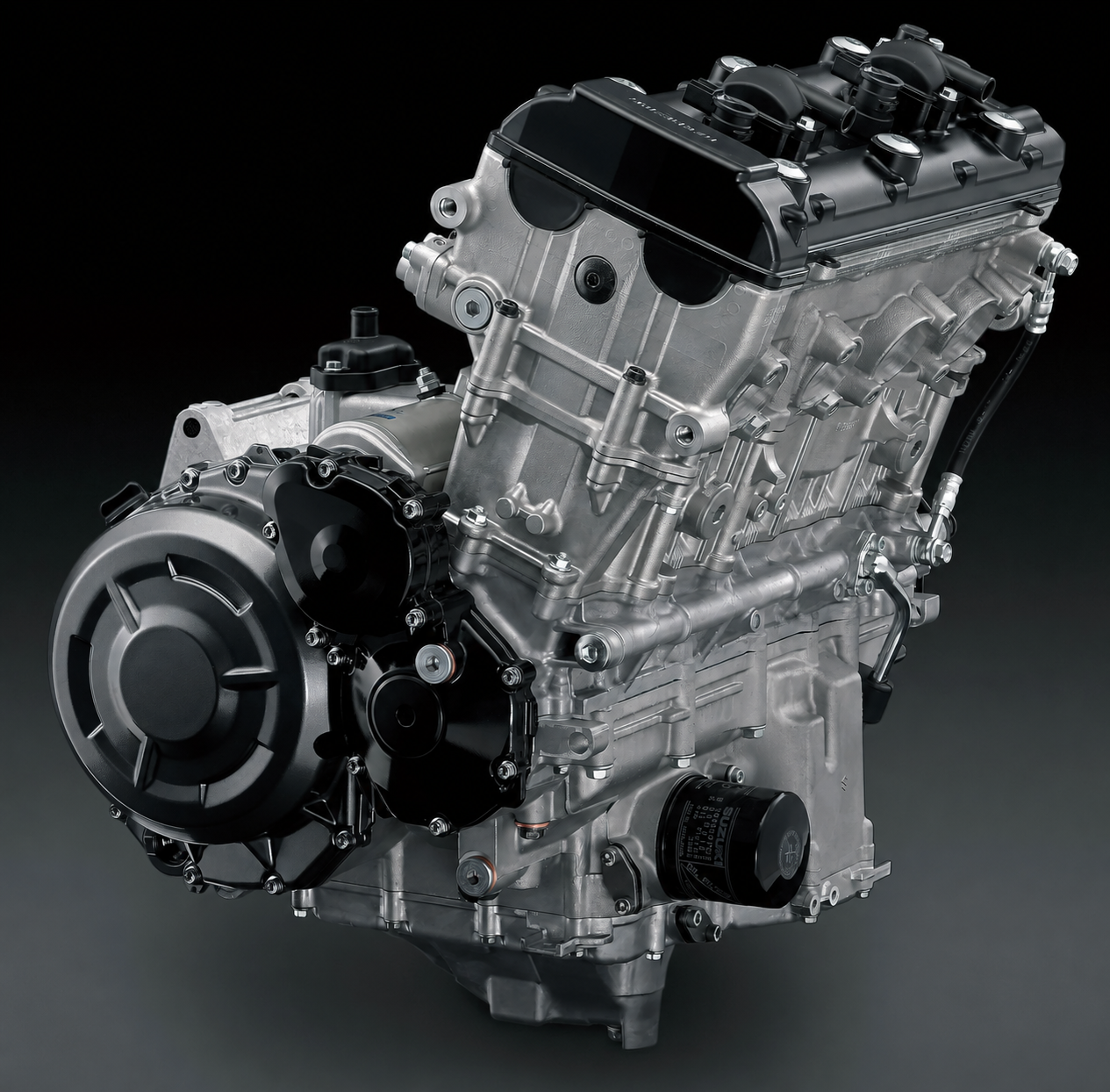
188 horsepower800-pound curb weight.
111 lb-ft of torqueProgressive, naturally aspirated response with no turbo lag.
Six-speed sequentialEach movement selects the next gear for quick, positive shifts.
Sprinter relies on power-to-weight rather than an oversized engine.
Third-generation Suzuki Hayabusa engine
The engineThird-generation Hayabusa engine
The exhaust

Equal lengths. Crisp response.

Sprinter uses a custom exhaust built around its Hayabusa engine and compact chassis. Equal-length primaries, a high-flow resonator and muffler deliver crisp response and a sharp, high-revving sound that intensifies as the engine approaches 11,000 rpm.

How power reaches the road

06 / The driveline

A compact driveline with no long driveshaft.

From the Hayabusa gearbox, power passes through the Quaife reversing unit, a short coupler and the limited-slip differential before reaching the rear wheels through CV axles.

Hayabusa engineQuaife reverseLimited-slip differentialRear wheels
Practical reverse

A dedicated reverse for the sequential gearbox.

The six-speed sequential gearbox is forward-only. The separate Quaife unit adds reverse for parking and low-speed maneuvering. In forward, it is designed to absorb less power than a conventional reversing box.
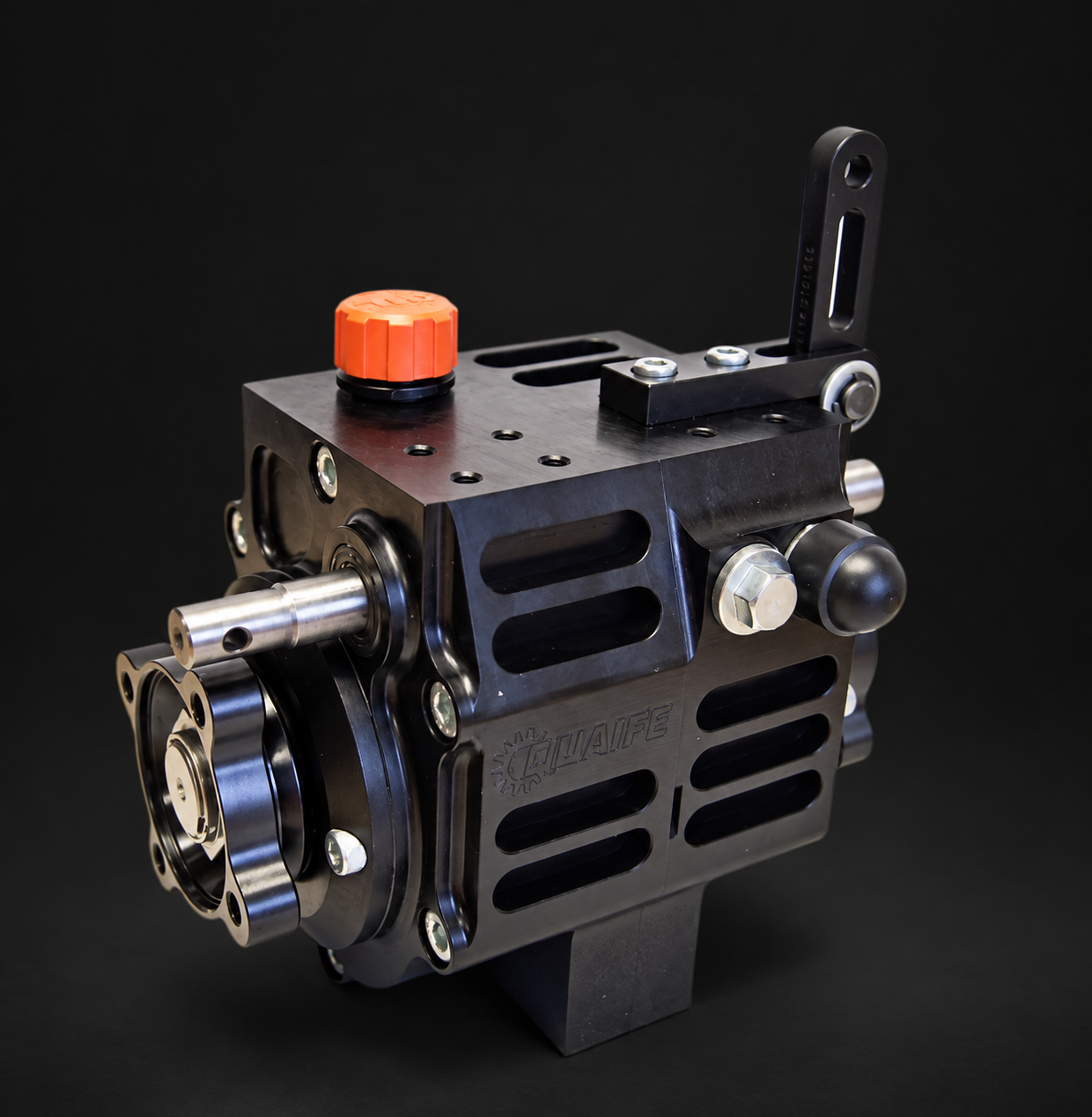
Easy maneuveringReverse makes parking and tight spaces practical.
Lower forward lossThe forward-drive design reduces drag through the reversing unit.
Compact packageThe billet-aluminum unit weighs approximately 8 kg.
Quaife QBE35G reversing gearbox
The reversing unitQuaife QBE35G reversing gearbox
Rear-wheel traction

More traction when accelerating out of a corner.

If the inside rear tire loses grip, an open differential can waste power by spinning that tire. The helical limited-slip differential sends more torque to the tire with grip, helping the car accelerate cleanly.
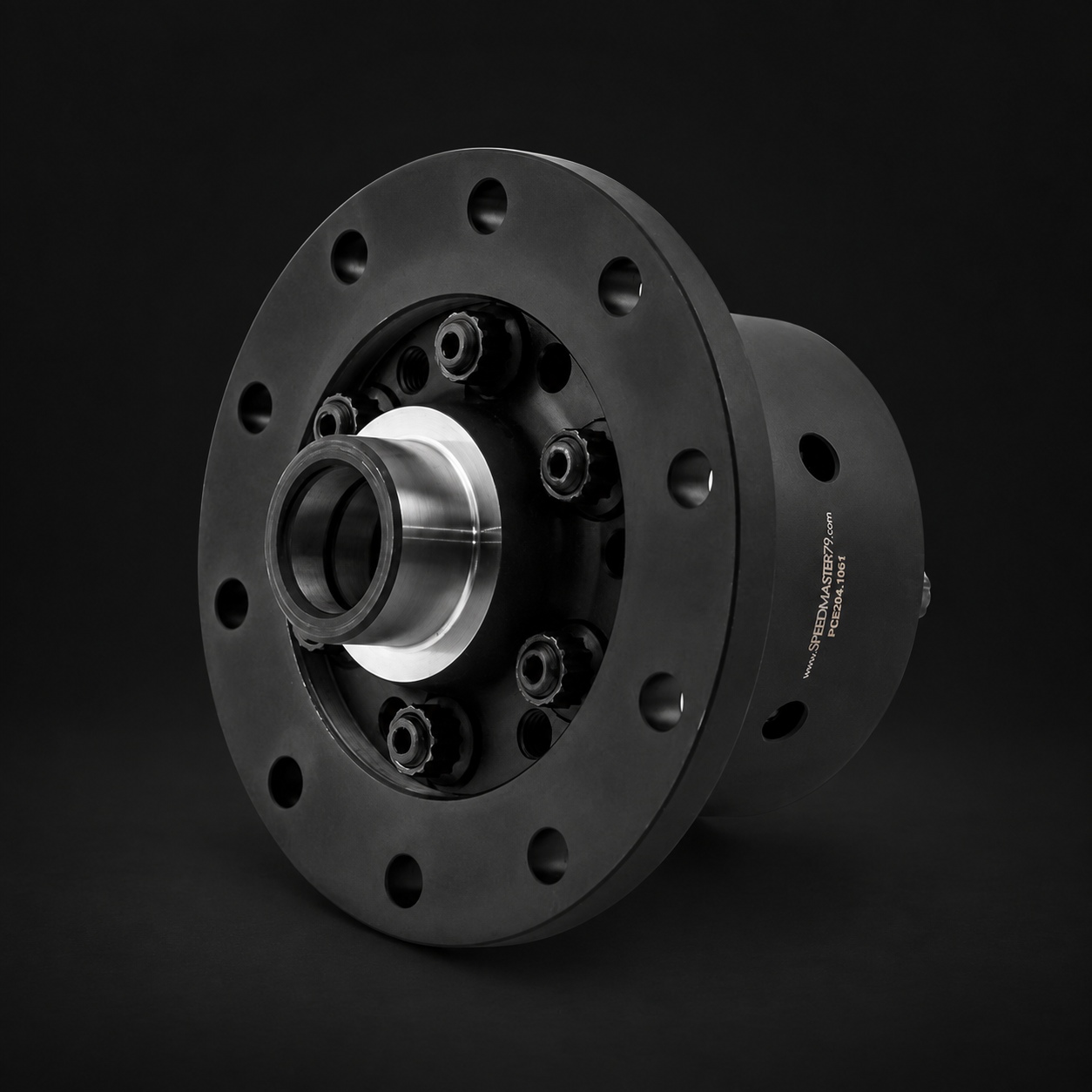
Less wheelspinMore of the engine’s power is used to accelerate the car.
Smooth responseHelical gears transfer torque progressively rather than locking suddenly.
Predictable corner exitsTraction builds smoothly as the driver applies throttle.
Speedmaster TorqueWorm limited-slip differential
The differentialSpeedmaster TorqueWorm limited-slip differential

Double wishbones at all four corners

07 / Suspension

Planted in cornersThe geometry controls camber as the suspension moves, helping keep the tire tread in contact with the road.
Stable at speedThe suspension is configured for progressive, predictable responses rather than sudden changes in grip.
Road-friendly controlEach wheel moves independently, helping the chassis stay composed over uneven pavement.

The intended driving character

08 / Driver focus

Fast reactions without nervousness.

Low mass and direct steering give the car quick response. Independent suspension keeps each wheel working over uneven pavement, while the limited-slip differential improves traction on corner exit.

Immediate steeringThe direct rack and low mass give the car quick response to small steering inputs.
Composed over bumpsIndependent suspension allows each wheel to follow the road without unsettling the entire chassis.
Controlled corner exitsThe limited-slip differential helps both rear tires put power down as the driver opens the throttle.
The influence

An influence, not an identity.

Drawing inspiration from the Light Car Company Rocket, designed by Gordon Murray, Sprinter embraces the value of low mass, a central driving position and mechanical simplicity. It takes those principles in its own direction through its chassis, powertrain, suspension and body design.

Project Sprinter cockpit and chassis
Project Sprinter

Lightweight by construction. Direct by design.